

Rhinoplasty in Thousand Oaks, CA
At the Kryger Institute of Plastic Surgery in Thousand Oaks, CA, we understand how important the nose is to both appearance and function. Rhinoplasty, also called a nose surgery or “nose job,” is a highly specialized procedure designed to refine nasal shape, restore balance to the face, and improve breathing when functional concerns are present. Proudly serving patients in Thousand Oaks, Westlake Village, Agoura Hills, and the surrounding areas of Ventura County and Los Angeles Counties, our experienced surgeons, Dr. Gil Kryger and Dr. Zol Kryger, are dedicated to providing natural-looking and individualized rhinoplasty results for patients throughout Southern California.
Nose Reshaping: What Rhinoplasty Is Designed to Do
A rhinoplasty procedure reshapes the nasal bones and cartilage to improve facial harmony and nasal function. The surgery can:
- Smooth nasal humps or bumps
- Correct a crooked or asymmetrical nose
- Refine a bulbous or drooping nasal tip
- Repair nasal injuries or trauma
- Improve breathing by correcting structural obstructions
- Revise a previous rhinoplasty for improved results
Rhinoplasty is one of the most popular face procedures performed at the Kryger Institute, offering both cosmetic and functional enhancements.
Rhinoplasty: Who Can Benefit and Why?
Candidates for nasal reshaping surgery are generally healthy adults seeking to improve the size, shape, or function of their nose. During a consultation, your surgeon will evaluate your nasal structure, breathing, and goals to determine if rhinoplasty is right for you. Patients often seek rhinoplasty for both appearance and health. Key benefits include:
- Enhanced facial balance and symmetry
- Greater confidence in appearance
- Long-lasting results tailored to your unique features
- Functional improvements, such as easier breathing
- Correction of congenital issues or traumatic injuries
By addressing both aesthetic goals and functional needs, rhinoplasty surgery can have a transformative impact on a patient’s quality of life.
Real Patient Experiences
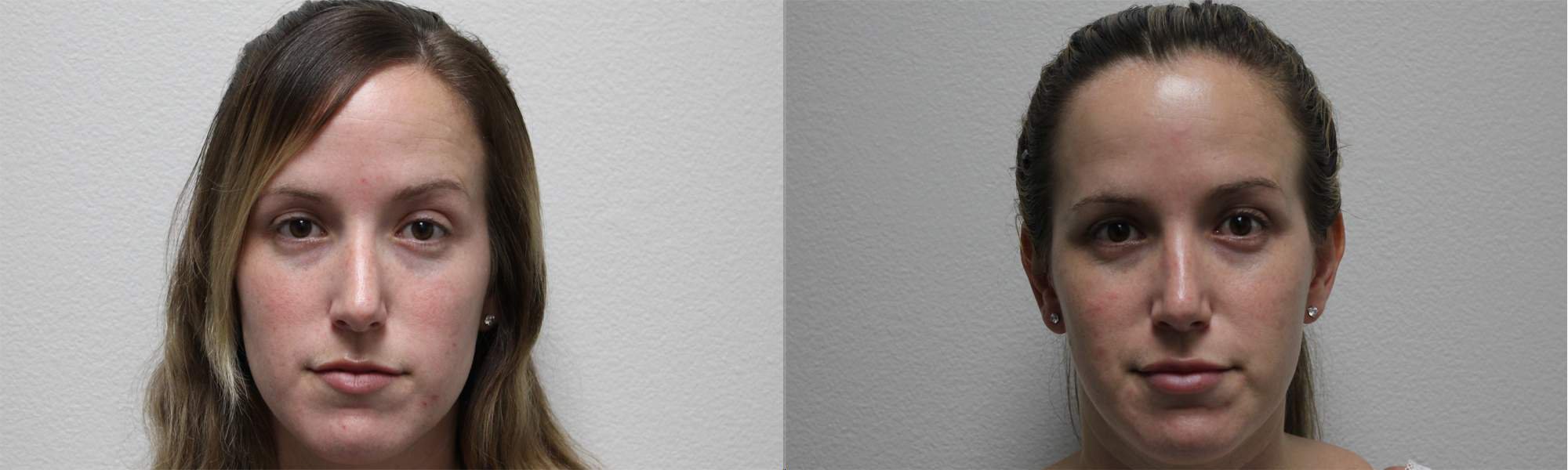
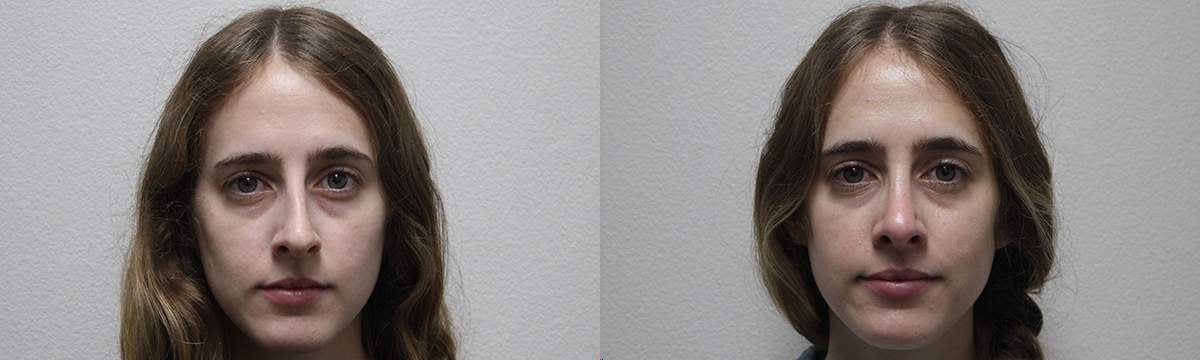
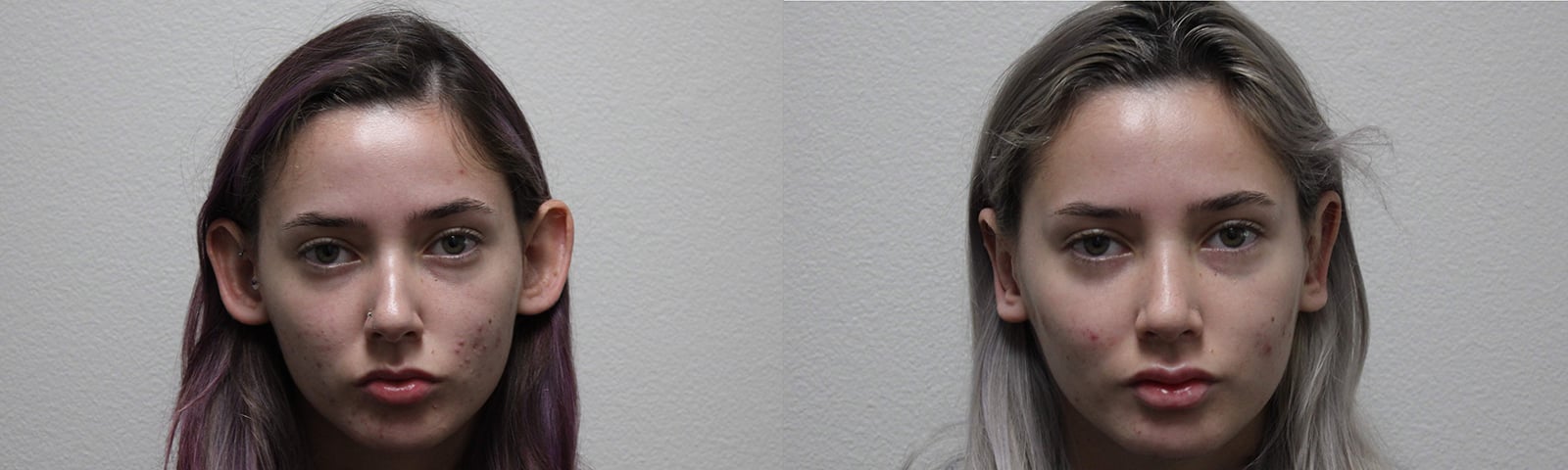
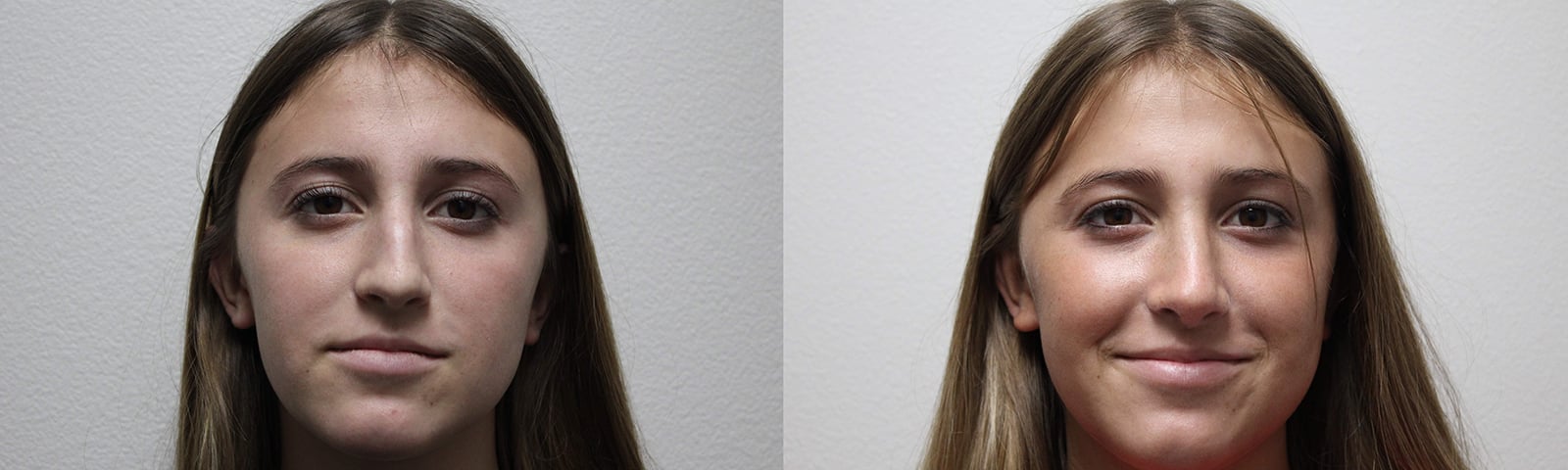
At the Kryger Institute of Plastic Surgery, we have experience in a vast array of surgical and non-surgical procedures. Click below to see some before and after photos of nose reshaping.
Frequently Asked Questions
How do I prepare for surgery?
Tell your surgeon about any medical problems you have, and any problems you may have had with surgery in the past. You should mention any previous nose surgery or nasal injury you may have had in the past, as well as any difficulty breathing or allergy symptoms. A history of bleeding problems, nausea with surgery and high blood pressure are all important to disclose to your surgeon because these are risk factors for post-surgical bleeding. Inform him what medications you take-both prescription and non-prescription (including herbs and dietary supplements). You will be told which medications to stop and which to take before surgery. Blood-thinning medication, aspirin, and anti-inflammatory medications such as ibuprofen and Alleve must be stopped for 7 days before surgery. Finally, you must strictly follow the instructions about when to start fasting before surgery (usually at midnight). If you get sick or have any health issues in the days before surgery, please notify the office at once in case we have to postpone your operation.
The surgery and the incisions
The operation itself takes 2-4 hours depending on how extensive your deformity is. Most procedures are performed in the operating room. On the morning of surgery, your surgeon will answer any last-minute questions you may have and discuss the plan. He will tell you what to expect after surgery, and what type of splints you may require.
Some nasal reshaping procedures require using cartilage from another source (either the back of your ear or from your rib). If this is necessary, your surgeon will mark the incisions for harvesting the cartilage. These incisions can usually be hidden nicely in normal skin creases.
What type of anesthesia is used?
Rhinoplasty can be performed under “twilight” anesthesia or general anesthesia. Twilight anesthesia consists of intravenous sedation and pain medication that keeps you relaxed and sleepy during the surgery. In addition, the surgeon uses local anesthesia to numb the nose. General anesthesia involves going completely to sleep with a breathing tube in your throat. There is a slightly higher risk of nausea and vomiting after general anesthesia, however, both techniques are extremely safe. Your surgeon will discuss the anesthetic options with you before surgery.
Does insurance cover rhinoplasty?
A rhinoplasty procedure can be divided into a cosmetic portion and a functional portion. The functional aspect involves improving nasal breathing. Typically, this means modifying the nasal septum in some manner, termed a septoplasty. Some insurance companies may cover the septoplasty, but they will usually not cover the cosmetic rhinoplasty. This means that a portion of the costs will be paid for by insurance. There may still be a co-pay required. Coverage varies from carrier to carrier, and our insurance specialist will work closely with your insurance company to obtain coverage of your procedure.
What kind of dressings are there?
In most cases, there will be a small splint on the outside of the nose. This splint should be kept dry and will be removed after a week. If a septoplasty is also performed, you may also have splints inside of your nose. These are usually removed after a few days.
Can you go home the day of surgery?
Yes, nose reshaping can be done safely as an outpatient, and most patients will be able to go home the same day. Some patients may prefer to spend a night in the hospital if they have young children at home or live alone and do not have any help at home.
How much pain is there after surgery?
Pain from nose reshaping is usually minimal. It is the worst in the first 24 hours, but then it rapidly improves. It is impossible to predict a person’s pain level. If you have done well with surgery in the past, you will likely be fine after this surgery. Many patients have adequate pain control with extra-strength Tylenol. Our surgeons have a lot of experience treating pain, and have published scientific articles and written book chapters about anesthetics and pain control. They will do everything possible to minimize your pain, including using pain pumps after surgery and utilizing all the newest pain medication.
What about swelling and bruising?
Swelling and bruising are normal signs of the healing process. They occur after any surgery to varying degrees. They are very common after rhinoplasty, especially if any work is done on the nasal bones. Swelling peaks at about 48 hours, and then slowly decreases. By the end of the first few weeks, a majority of the swelling is gone. By 6-8 weeks, most of the swelling has diminished. It can take 6 months and even longer for all the swelling to subside. Bruising is worse the day after surgery and then gets better. It is usually gone by two weeks. Liberal use of ice after surgery can help with swelling and bruising.
What restrictions are there?
You can shower the day after surgery, but you should keep the splint dry until it is removed. You should not blow your nose, sneeze through your nose or bend over for the first few days after surgery. The majority of patients feel good enough to return to most activities after a few days. Strenuous activities such jogging, aerobics, weight-training, sit-ups, and sex should be avoided until 2 weeks after surgery.
When can I travel?
Traveling after surgery (air travel, long distance car trips, train rides, etc) should not be done before you have had your first postoperative visit. Typically, this occurs 5-7 days after surgery for suture and splint removal. Patients who are at high risk for developing a blood clot should not travel until instructed by their surgeon. Short car trips under 60 minutes can be done before the first visit. A good rule of thumb is when you are off the stronger pain medication and can get up without assistance you are ready to go for a short drive. You should not drive the car yourself, however, until your surgeon gives you clearance for this.
When can I go back to work?
This, of course, depends on the kind of work you do. Most people go back to work after a week. Sedentary jobs, such as computer work or talking on the phone can begin even sooner. If you have a strenuous job that involves a lot of lifting or physical activity, you may have to wait two weeks until you are ready for work. Please review the restrictions for further guidelines about getting back to work.
What kind of scars can I expect?
External scars from nose reshaping are not always necessary. The scars usually heal extremely well and are rarely visible at conversational distance. Scarring, however, is an unpredictable part of any surgery. It is impossible to cut through the full thickness of the skin and not have a scar. Our surgeons have published numerous scientific papers about the scarring process and wound healing, and will do everything possible to minimize scarring. To a large extent, however, scarring is determined by your genetics. If you are prone to hypertrophic (wide, raised) scars or keloids, make sure to inform your surgeon ahead of time. Our surgeons will use all the available techniques to minimize your scars based on their extensive research experience on hypertrophic scarring.
Your scars will be firm and pink for at least six weeks. After six weeks, scars are very strong and can withstand any activity. Then they may remain the same size for several months, or even appear to widen. After several months, your scars will begin to fade, although they will never disappear completely. It takes about six months for a scar to completely heal.
What if I have a problem? When should I call the office?
The Kryger Institute welcomes calls from patients. If you have any concerns at any time, please feel free to call our office. If it is an emergency, the answering service is available 24 hours a day, including weekends and holidays. There is always a plastic surgeon on call. Your surgeon will discuss all the risks and potential complications with you before surgery. You will receive detailed instructions about situations that warrant a call to the office.
What is the cost of rhinoplasty in Thousand Oaks?
The cost of rhinoplasty varies depending on the complexity of the surgery and whether it is cosmetic, functional, or revision. Financing options are available, and full details will be provided during your personalized consultation.
Why Choose the Kryger Institute of Plastic Surgery for Rhinoplasty in Thousand Oaks
At the Kryger Institute, patients benefit from the expertise of two board-certified plastic surgeons with advanced training in facial surgery. Dr. Gil Kryger and Dr. Zol Kryger are known for their meticulous approach, artistic skill, and commitment to patient safety.
Our Thousand Oaks practice emphasizes personalized care, whether you are seeking cosmetic refinement or functional improvement. To see the results of our work, we encourage you to explore our before-and-after galleries and patient testimonials.
Meet the Surgical Team at Kryger Institute of Plastic Surgery
Dr. Gil Kryger and Dr. Zol Kryger are board-certified plastic surgeons with over two decades of experience. Trained at Stanford and Northwestern, they are published authors, textbook editors, and national presenters in the field of cosmetic and reconstructive plastic surgery.
Schedule a Rhinoplasty Consultation
If you are considering nasal reshaping or rhinoplasty in Thousand Oaks, CA, contact us today. Schedule a consultation with our team to discuss your goals, explore your options, and design a surgical plan tailored to your needs.