

En-Bloc Capsulectomy & Implant Removal in Thousand Oaks, CA
You may need an En-Bloc capsulectomy/implant removal if you are experiencing issues with your breast implants after augmentation. Any time there is an implant in the body, the natural response is to form a sac of scar tissue around the foreign body. This is termed a capsule. Every woman with a breast implant has a capsule around her implant. Normally, the capsule is soft and thin, like a balloon. However, in some cases the capsule can become thickened and abnormal, termed capsular contracture. If you have this problem, consider getting an En-Bloc capsulectomy in Thousand Oaks.
En-Bloc Capsulectomy
En-Bloc capsulectomy is the term used for the complete removal of the entire capsule and the implant within it. The capsule is removed without entering it during surgery. Therefore, anything within the capsule never comes in contact with the patientÆs body. This includes the implant, any fluid found within the capsule, and, if the implant is ruptured, any of the material found within the implant itself.
At the Kryger Institute, we have been performing En-Bloc capsulectomies for many years. We have experience with hundreds of these procedures. It is important to note that this procedure can be done whether the implant is under the muscle or on top of the muscle. It is a more challenging procedure when the implant is under or behind the muscle, however, we are very comfortable with any situation.
Real Patient Experiences
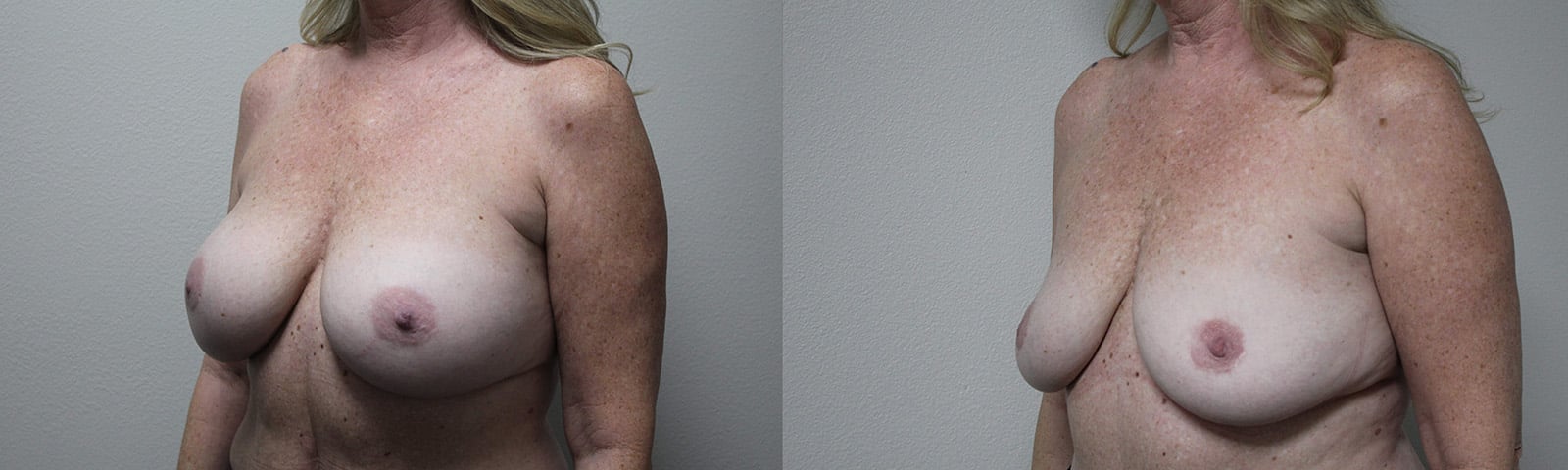
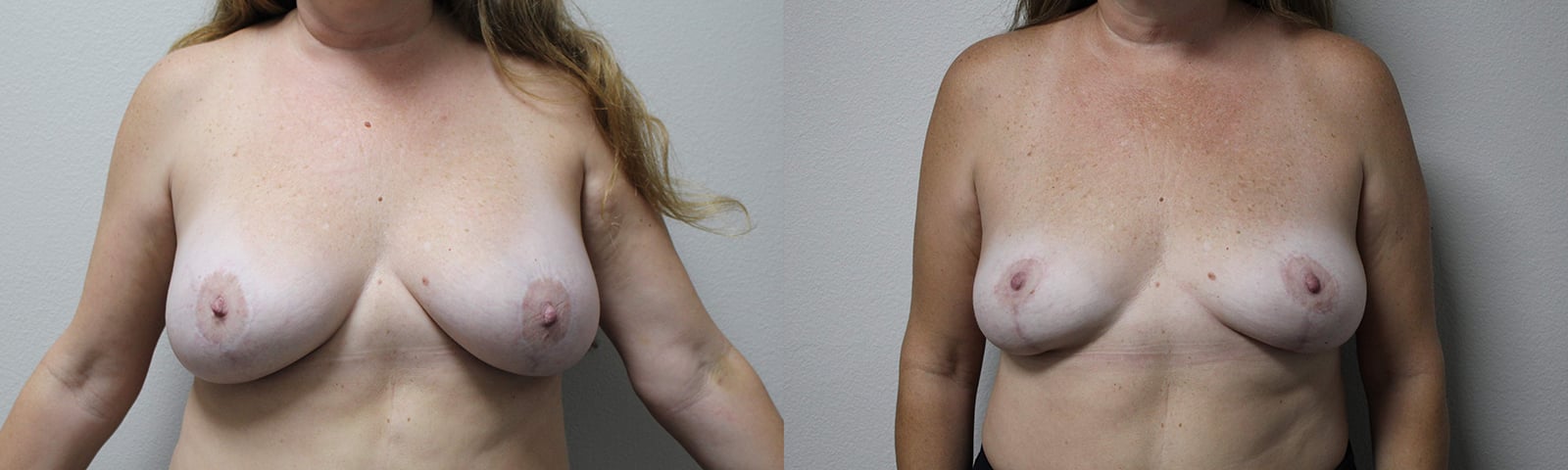
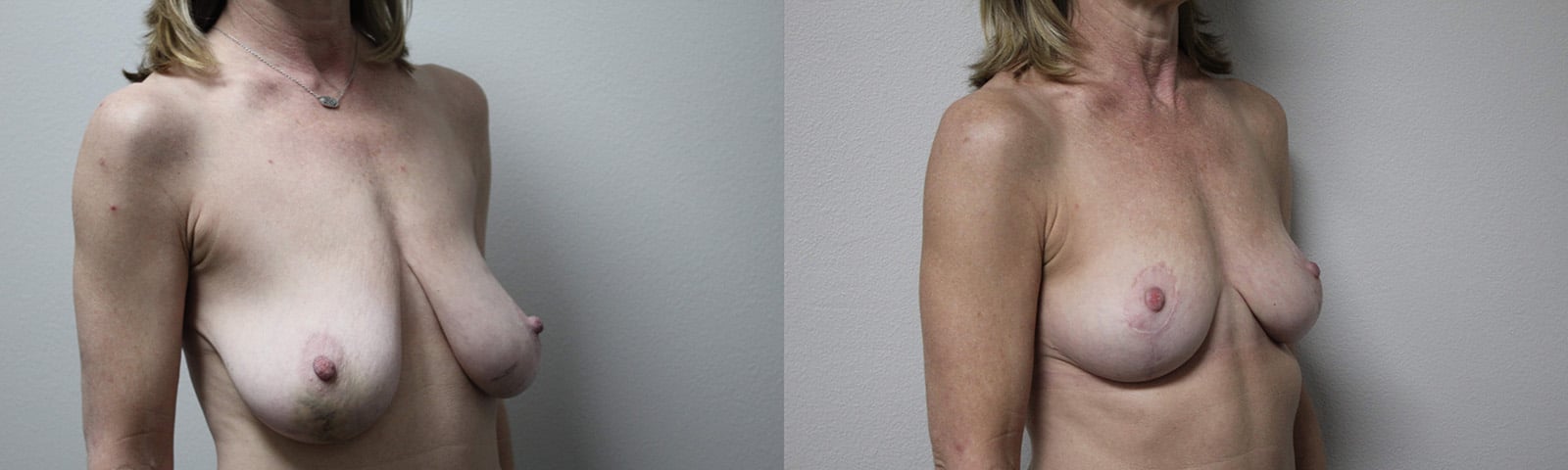
At the Kryger Institute of Plastic Surgery, we have experience in a vast array of surgical and non-surgical procedures. Click to see some before and after photos of implant removals.

Who Is a Candidate for En-Bloc Capsulectomy?
En-Bloc capsulectomy may be recommended for patients who are experiencing complications related to their breast implants or who simply wish to have their implants removed. While every patient with breast implants develops a capsule of scar tissue around the implant, some capsules can become thickened, painful, or abnormal over time.
You may be a candidate for En-Bloc capsulectomy if you:
- Have capsular contracture
- Are experiencing pain, tightness, or breast distortion
- Have a ruptured breast implant
- Have concerns about breast implant illness (BII)
- Are experiencing implant malposition or asymmetry
- Wish to remove your implants and capsule completely
- Have developed fluid around the implant
- Desire implant removal without replacement
The best way to determine whether En-Bloc capsulectomy is appropriate for your situation is through a comprehensive consultation and examination with one of our board-certified plastic surgeons.
What Happens During En-Bloc Capsulectomy Surgery?
En-Bloc capsulectomy is a specialized procedure that involves removing the breast implant and the surrounding capsule as a single unit without entering the capsule during surgery. This technique allows the implant, scar tissue capsule, and any contents within the capsule to remain enclosed throughout removal.
At the Kryger Institute, the procedure is typically performed under general anesthesia in our accredited surgical facility. During surgery, an incision is made to carefully access the implant pocket. The capsule is then meticulously separated from the surrounding tissues and removed intact along with the implant. This approach can be performed whether the implant is positioned above or beneath the chest muscle, although submuscular implants often require a more technically complex dissection.
Every surgical plan is customized based on the patient’s anatomy, implant history, and treatment goals. During your consultation, your surgeon will discuss the anticipated surgical approach and whether additional procedures may be beneficial.
Recovery After En-Bloc Capsulectomy
Recovery following En-Bloc capsulectomy varies depending on the complexity of the procedure and whether additional treatments are performed at the same time. Most patients return home the day of surgery and begin the recovery process under detailed post-operative guidance.
Common recovery experiences include:
- Swelling and bruising
- Temporary soreness or tightness
- Fatigue during the first several days
- Temporary activity restrictions
Drain tubes are sometimes often placed to help prevent fluid accumulation and support proper healing. These are typically removed during a follow-up appointment once drainage decreases.
Most patients can return to light daily activities within the first week, while more strenuous exercise and heavy lifting should be avoided until cleared by their surgeon.
Travel plans and return-to-work timelines vary based on the extent of surgery and the physical demands of your occupation. Throughout recovery, our team closely monitors your progress to ensure optimal healing and comfort.
How Much Does En-Bloc Capsulectomy Cost?
The cost of En-Bloc capsulectomy varies depending on several factors, including the complexity of the procedure, implant placement, whether implant rupture is present, and whether additional procedures are performed simultaneously.
Some factors that may influence pricing include:
- Implant location (above or below the muscle)
- Presence of capsular contracture
- Implant rupture
- Surgical complexity
- Facility and anesthesia fees
- Additional breast procedures
During your consultation, we will provide a detailed treatment plan and discuss all anticipated costs, and financing options.
Why Choose the Kryger Institute for En-Bloc Capsulectomy?
The success of En-Bloc capsulectomy depends heavily on surgical experience, technical precision, and a thorough understanding of breast implant complications. At the Kryger Institute of Plastic Surgery, Dr. Gil Kryger and Dr. Zol Kryger have performed hundreds of En-Bloc capsulectomy procedures and routinely treat patients from across California and beyond seeking specialized breast implant removal.
Patients choose the Kryger Institute because of our:
- Extensive experience with En-Bloc capsulectomy
- Expertise treating capsular contracture and implant complications
- Ability to remove implants placed above or below the muscle
- Board-certified plastic surgeons
- Accredited surgical facility
- Personalized patient care and surgical planning
- Commitment to patient safety and education
Whether you are experiencing implant-related complications or simply wish to remove your implants, our team provides compassionate guidance and individualized treatment recommendations to help you make informed decisions about your care.
Frequently Asked Questions
What should you expect from the consultation?
When you come for a consultation, we will discuss your medical history and surgical goals. We will ask about the problems that you want to address. We will also conduct a physical examination to determine if you are a suitable candidate for the procedure.
After examining you, we will go over what will happen during the En-Bloc capsulectomy to help you make an informed decision. We will also suggest surgical plans based on your problems and goals. You may be shown before-and-after photos of patients who have had the same surgery.
As a part of the consultation, we will review the benefits and potential complications of the procedure. We will answer your questions and address any concerns.
Does insurance cover a capsulectomy?
Many insurance carriers will cover the En-Bloc, or any type of capsulectomy (removal of the capsules and the implants). They will not pay for new implants. As a general rule, they require a patient to have either symptomatic capsular contracture (pain, tightness, limited motion, etc.) or a ruptured silicone implant to approve the surgery.
How do I prepare for surgery?
You will be told which medications to stop and which to take before surgery. Aspirin and other blood thinners must be stopped for 7 days before surgery. If you smoke, you must quit smoking entirely for 6 weeks before and 6 weeks after surgery. You must strictly follow the instructions about when to start fasting before surgery (usually at midnight). If you get sick or have any health issues in the days before surgery, please notify the office at once in case we have to postpone your operation.
Imaging of the breasts, such as a mammogram, ultrasound, or MRI, may be useful before surgery. This is something that should be discussed with Dr. Kryger before surgery, and he will give you guidance on this. Factors that determine if imaging is needed include your age, how long the implant has been in place, and whether there is a suspicion of the implant being ruptured.
What type of anesthesia is used?
The En-Bloc capsulectomy is almost always done under general anesthesia. Twilight anesthesia can be considered but is difficult since this is a relatively extensive procedure. In addition, Dr. Kryger uses long-acting local anesthesia to numb the breast.
Can you go home the day of surgery?
The En-Bloc capsulectomy is routinely performed as an outpatient, and most patients will be able to go home the same day. Some patients may prefer to spend a night in our overnight recovery facility if they have young children at home or live alone and do not have any help at home.
What kind of scars can I expect?
Scarring is an unpredictable part of any surgery. It is impossible to cut through the full thickness of the skin and not have a scar. For most patients, the incisions from breast surgery heal well and do not become bothersome scars. Our surgeons have published numerous scientific papers about the scarring process and wound healing, and will do everything possible to minimize scarring. To a large extent, however, scarring is determined by your genetics. If you are prone to hypertrophic (wide, raised) scars or keloids, make sure to inform your surgeon ahead of time. Our surgeons will use all the available techniques to minimize your scars based on their extensive research experience on hypertrophic scarring.
Your scars will be firm and pink for at least six weeks. After six weeks, scars are very strong and can withstand any activity. Then they may remain the same size for several months, or even appear to widen. After several months, your scars will begin to fade, although they will never disappear completely. It takes 1-2 years for a scar to completely heal. Make sure to apply sunscreen containing zinc oxide to your scars for six months so that they do not darken due to increased pigmentation.
What if I have a problem? When should I call the office?
The Kryger Institute welcomes calls from patients. If you have any concerns at any time, please feel free to call our office. If it is an emergency, the answering service is available 24 hours a day, including weekends and holidays. There is always a plastic surgeon on call. Your surgeon will discuss all the risks and potential complications with you before surgery. You will receive detailed instructions about situations that warrant a call to the office.
Meet the Surgical Team at Kryger Institute of Plastic Surgery
Dr. Gil Kryger and Dr. Zol Kryger are board-certified plastic surgeons with over two decades of experience. Trained at Stanford and Northwestern, they are published authors, textbook editors, and national presenters in the field of cosmetic and reconstructive plastic surgery.