


Fat Grafting in Thousand Oaks, CA
Natural Volume Restoration Using Your Own Fat
Fat grafting is an innovative technique that uses your body’s own fat to restore volume, improve contour, and enhance natural proportions without synthetic implants or fillers. By transferring fat from one area of the body to another, fat grafting can create subtle, natural-looking enhancement while simultaneously refining the donor area through liposuction.
At the Kryger Institute of Plastic Surgery, board-certified plastic surgeons Dr. Gil Kryger and Dr. Zol Kryger perform fat grafting as both a standalone procedure and in combination with other cosmetic surgeries. Whether you are considering breast fat grafting, facial fat transfer, or body contour refinement, every treatment plan is customized to your anatomy, aesthetic goals, and the area being treated.
Fat grafting combines surgical precision with artistic planning to create results that both look and feel naturally your own.
Where Can Fat Grafting Be Used?
Fat grafting is one of the most versatile procedures in plastic surgery because it can restore volume, improve contour, and enhance multiple areas of the body using your own living fat cells.
Common treatment areas include:
Breast Enhancement
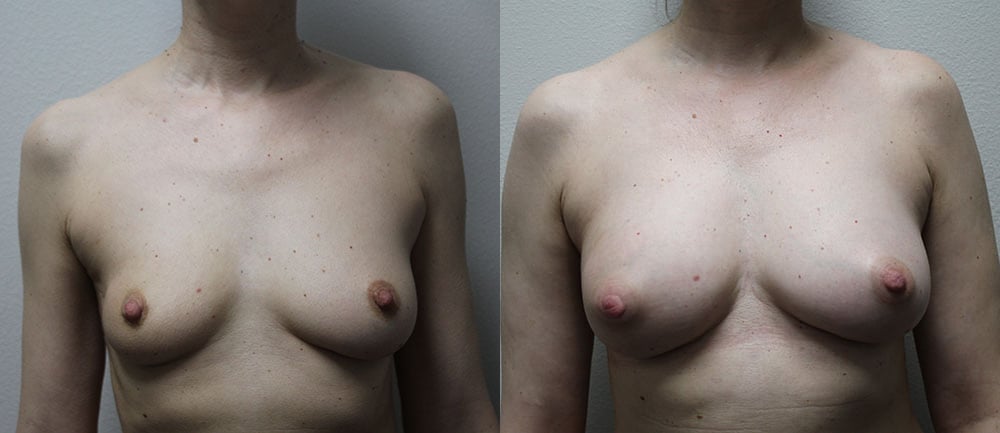
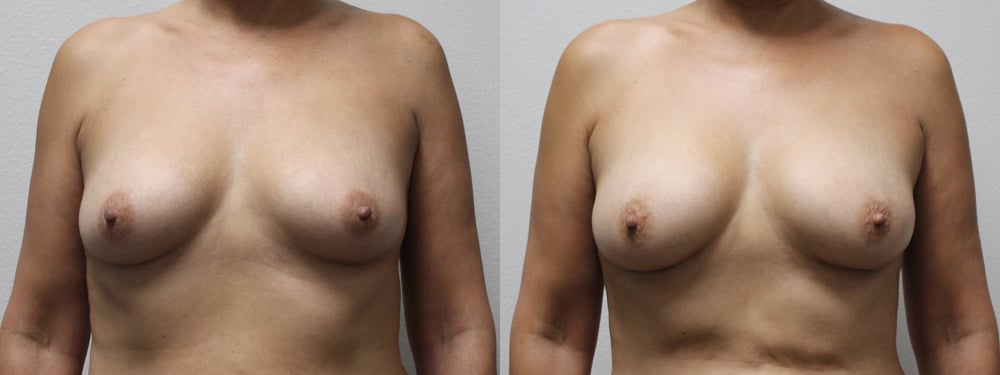
Fat transfer can provide modest, natural-looking breast enhancement or improve breast contour following breast surgery. Some patients also choose fat grafting to refine implant results or restore fullness after pregnancy or weight loss.
Facial Rejuvenation
As we age, the face naturally loses volume. Fat grafting can restore youthful fullness to the cheeks, temples, under-eye hollows, jawline, and around the mouth. It is frequently combined with facelift surgery to create more comprehensive facial rejuvenation.
Body Contouring
Fat may be used to improve contour irregularities or restore volume in selected areas of the body while simultaneously slimming the donor area through liposuction.
Brazilian Butt Lift
Fat harvested from the abdomen, hips, thighs, or flanks may be transferred to the buttocks to improve shape, projection, and overall body proportions.
Because every patient has unique anatomy and goals, Drs. Gil and Zol Kryger will determine whether fat grafting is the most appropriate option during your consultation.
Can Fat Grafting Be Combined With Other Procedures?
Fat grafting is frequently performed alongside other cosmetic procedures to enhance overall balance and maximize surgical results. Combining procedures can often reduce overall recovery time while creating more comprehensive aesthetic improvement.
Some of the most common combinations include:
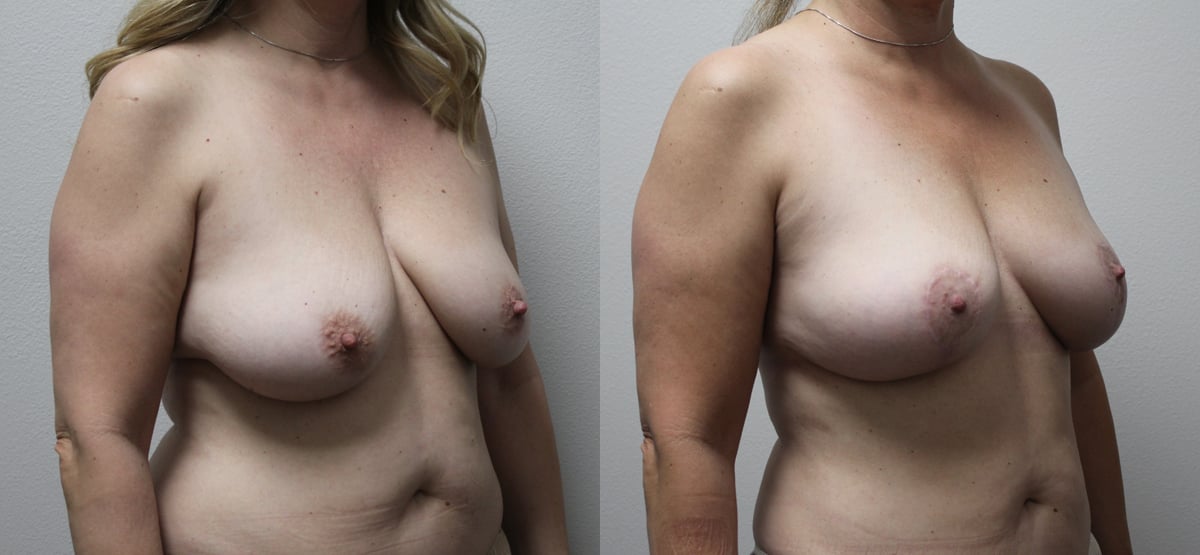
- Breast lift with fat grafting to restore upper-pole fullness
- Facelift with facial fat grafting to replace age-related volume loss
- Liposuction with fat transfer for comprehensive body contouring
However, not every procedure should be performed together.
For example, tummy tuck surgery is generally not combined with fat grafting to the buttocks because patients recovering from abdominoplasty spend significant time sitting or lying down, placing pressure on newly transferred fat. In contrast, combining a tummy tuck with breast fat grafting often works well because the recovery process does not place pressure on the breasts.
During your consultation, Drs. Kryger will recommend the safest combination of procedures based on your anatomy, goals, and expected recovery.
Am I a Candidate for Fat Grafting?
Fat grafting may be an excellent option for patients who want to restore volume using their own natural tissue rather than implants or synthetic fillers.
You may be a good candidate if you:
- Have sufficient donor fat available for transfer
- Desire modest, natural-looking volume enhancement
- Want to improve contour in the face, breasts, buttocks, or other areas
- Are in good overall health
- Do not smoke or are willing to stop smoking during recovery
- Have realistic expectations about your results
During your consultation, Drs. Gil and Zol Kryger will evaluate your anatomy, discuss your goals, and determine whether fat grafting is the most appropriate treatment for you.
What to Expect During Fat Grafting Surgery
Fat grafting is performed in three carefully planned stages.
Fat Harvesting
The procedure begins by gently removing fat through liposuction from areas such as the abdomen, flanks, hips, or thighs.
Fat Processing
The harvested fat is carefully purified and prepared using specialized techniques developed and refined at the Kryger Institute. Proper preparation helps maximize the survival of healthy fat cells before they are transferred.
Fat Injection
The purified fat is strategically injected into the treatment area using precise placement techniques designed to create smooth contours and natural-looking volume. Multiple small injections are used to encourage healthy blood supply and improve long-term fat survival.
Because every procedure is customized, surgical time varies depending on the number of treatment areas and whether fat grafting is combined with additional procedures.
How Long Do Fat Grafting Results Last?
One of the advantages of fat grafting is that the fat cells that successfully establish a new blood supply become living tissue in their new location.
Not every transferred fat cell survives the healing process, which is why surgeons often account for some expected fat absorption during treatment planning.
Once healing is complete, the remaining transferred fat typically becomes a long-lasting part of the treated area. Maintaining a stable weight can help preserve your results, while significant weight gain or loss may affect the appearance of the grafted fat over time.
Drs. Kryger use meticulous harvesting, preparation, and injection techniques designed to optimize long-term fat survival and create natural-looking, lasting results.
What Happens During Male Breast Reduction Surgery?
Male breast reduction is customized according to the amount and type of tissue that needs to be corrected. For patients requiring liposuction, small incisions allow the surgeon to remove excess fat and sculpt the chest. When glandular breast tissue is present, an incision can be made along the border of the areola so the unwanted tissue can be directly removed. The remaining tissue is carefully contoured to create a smoother transition across the chest.
Patients with significant skin excess require a more extensive procedure to remove loose skin in addition to excess fat and glandular tissue. The location and extent of the incisions therefore depend on the severity of gynecomastia and the techniques required to achieve an appropriate result.
Your surgeon will explain the recommended surgical plan, anticipated incision pattern, and postoperative care during your consultation.
What Is Recovery Like After Male Breast Reduction?
Recovery varies according to the extent of surgery performed. A patient undergoing liposuction for relatively mild gynecomastia will not necessarily have the same recovery as someone requiring glandular excision and significant skin removal. Swelling, bruising, tenderness, and tightness can be expected during the initial healing period.
These gradually improve as the tissues recover and the new chest contour begins to become more apparent. Patients will temporarily need to limit strenuous exercise and activities that place stress on the chest. Your surgical team will provide specific instructions regarding activity, incision care, and your gradual return to work and exercise based on the procedure performed.
Because some postoperative swelling is expected, results continue to refine as healing progresses.
What Will My Scars Look Like?
Scarring is an important consideration in male breast reduction, and the amount of scarring generally corresponds to the amount of correction required. When liposuction alone is appropriate, only small access incisions are needed.
When glandular tissue must be removed, an incision may be placed along the border of the areola, helping it blend with the natural transition in skin color. More significant gynecomastia involving excess skin requires additional incisions. In larger reductions, scars may extend around and beneath the areola.
During your consultation, your surgeon will explain the anticipated incision pattern so that you can weigh the expected improvement in chest contour against the scars required to achieve it.
Male Breast Reduction Results
The goal of gynecomastia surgery is to create a flatter and more proportionate male chest by removing the excess tissue responsible for breast enlargement. Some improvement may be apparent soon after surgery, although swelling can temporarily obscure the final contour. As swelling subsides and the tissues settle, the shape of the chest becomes increasingly defined.
The degree of change depends on the patient’s starting anatomy and the extent of surgery required. Viewing male breast reduction before-and-after photos can be particularly helpful when considering surgery because they demonstrate the different degrees of gynecomastia the procedure may address and the types of results that may be possible.
Real Patient Experiences
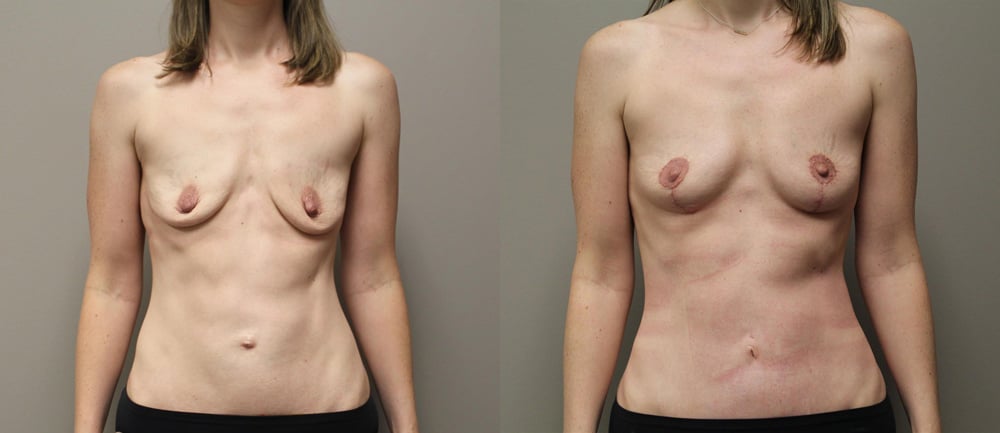
At the Kryger Institute of Plastic Surgery, we have experience in a vast array of surgical and non-surgical procedures. Click below to see some before and after photos of fat grafting to the breast.
Frequently Asked Questions
Who is a good candidate?
Fat grafting is ideal for the patient who has a little too much fat in some areas (e.g. the thighs) and not enough in others (the buttocks). It is not suited for patients who are obese. It is also not ideal for patients who have a lot of loose excess skin, such as those who have lost massive amounts of weight.
Is fat grafting covered by insurance?
Insurance would cover fat grafting only in a number of special circumstances. Most commonly, fat grafting to the breast for the purpose of reconstruction after breast cancer surgery would be covered by insurance. Fat grafting to various areas of the face in order to “fill in” areas that are abnormal due to injury or a disease process (e.g. after cancer surgery) can be covered by insurance.
How do I prepare for surgery?
Tell your surgeon about any medical problems you have, and any problems you may have had with surgery in the past. Inform him what medications you take-both prescription and non-prescription (including herbs and dietary supplements). You will be told which medications to stop and which to take before surgery. Aspirin and other blood thinners must be stopped for 7 days before surgery. You must also strictly follow the instructions about when to start fasting before surgery (usually at midnight). If you get sick or have any health issues in the days before surgery, please notify the office at once in case we have to postpone your operation. If you smoke, you should quit 4 weeks before and 4 weeks after the surgery.
The surgery and incisions
The operation itself takes several hours. Fat grafting to the face can be done in an hour. Fat grafting to the breasts and buttocks (Brazilian Butt Lift) takes 2-3 hours. The morning of surgery, your surgeon will mark the sites to be suctioned and to be grafted, and will answer any last minute questions you may have. The incisions from liposuction are less than a quarter of an inch and quite inconspicuous. There will usually be 1-2 incision sites per site to be treated, however these are planned in such a way that they are barely visible. The grafting is also done without any obvious incisions.
What actually happens during surgery?
The fat is liposuctioned from the desired areas and trapped in a sterile canister. It is then carefully transferred to 10 cc syringes. These are spun sterile in a centrifuge. This separates the fat into three layers: oil, pure fat, fascia and water. Everything except the pure fat is removed, and then the fat is carefully injected into the recipient site.
What type of anesthesia is used?
Fat grafting to the breasts or buttocks is performed under general anesthesia. Fat grafting to the face can be performed under “twilight” anesthesia or general anesthesia. Twilight anesthesia consists of intravenous sedation and pain medication that keeps you relaxed and sleepy during the surgery. In addition, the surgeon uses local anesthesia to numb the area. General anesthesia involves going completely to sleep with a breathing tube in your throat. There is a slightly higher risk of nausea and vomiting after general anesthesia, however both techniques are extremely safe. Your surgeon will discuss the anesthetic options with you before surgery.
What types of dressings are used?
The areas that are suctioned usually require a compression garment for 1-2 weeks to be worn at all times. The areas that are grafted will generally have a garment designed not to put too much pressure on the freshly grafted fat. No garment is used in the face. You can remove the gauze dressings and shower the day after surgery, and then reapply the garment. It is normal for a small amount of fluid to leak from the incisions for the first few days. This fluid looks like “Kool-aid” or fruit-punch and is part of the normal healing process. If you have leaking fluid that persists more than 48 hours after surgery, call the office. You can reinforce any leaking sites with gauze or a maxi-pad. If you are given a garment at the time of surgery, you should wear this as often as possible for the first couple of weeks. Do not purchase a garment on your own without checking with your surgeon first.
Can I go home after surgery?
Fat grafting can be done safely as an outpatient, and most patients will be able to go home the same day. In some cases, your surgeon may recommend that you spend a night in our overnight recovery unit. This would be if the fat grafting was performed in conjunction with other large procedures. The purpose of the overnight stay is to monitor you closely while the fluids in your body equilibrate. Some patients may prefer to spend a night in our recovery unit on their own accord if they have young children at home or live alone and do not have any help at home.
How much pain is there after surgery?
Most of the pain comes from the liposuction. Pain from liposuction is variable, and ranges from minimal to moderate. It is only bad for the first day or two after surgery, but then it rapidly improves. Compared to other cosmetic surgical procedures, the pain after liposuction is mild. Most patients complain of soreness rather than pain. If you have done well with surgery in the past, you will likely be fine after this surgery. Our surgeons have a lot of experience treating pain, and have published scientific articles and written book chapters about anesthetics and pain control. They will do everything possible to minimize your pain, such as utilizing all the newest pain medication and using a multimodal approach to pain management. Within a few days, most people’s pain is controlled with plain Tylenol or Motrin.
What about swelling and bruising?
Swelling and bruising are normal signs of the healing process. They occur after any surgery to varying degrees. Swelling peaks at about 48 hours, and then rapidly decreases. By the end of the first few weeks, 50 percent of the swelling is gone. By 6-8 weeks, a majority of the swelling has diminished. By six months, almost all the swelling is gone. Any remaining swelling is almost not perceptible. Bruising is worse the day after surgery and then rapidly gets better. It is usually mostly gone by two weeks.
How long does the grafted fat last?
The results are seen immediately. There is some swelling that can make things look “over-corrected.” This swelling takes a few weeks to resolve. By six months time, only 50-60% of the injected fat survives. Since only about half of the injected volume remains long-term, some of the early improvement will be lost over time. Repeat treatments are possible. In fact, the best results can be obtained by doing multiple treatments.
What are the risks of fat grafting?
Fat grafting is an overall safe procedure. Like any surgery, the risks are real. There are several risks unique to fat grafting that are important to understand. First, if too much fat is placed in any one area, some of the grafted fat can become hard and even tender. If this happens it can be removed at a later time. Second, grafted fat to the breasts can occasionally appear as an abnormality on a mammogram. Most radiologists can distinguish between grafted fat and a suspicious area on mammograms, but occasionally, a biopsy may be required. It is important to note that fat grafting does NOT cause breast cancer or increase the risk of breast cancer.
What are my restrictions?
You can shower the day after surgery, but you should not take a bath, use a hot-tub, or go swimming for at least a week. Walking and mild stretching exercises can be resumed within days of surgery. Strenuous activities such jogging, aerobics, weight-training, sit-ups, and sex should not be done for at least a week after surgery.
It is critical not to put any pressure on the grafted fat for 1-2 weeks. This means avoiding sitting and lying on your back after fat grafting to the buttocks (Brazilian Butt Lift) and not lying on your stomach after fat grafting to the breasts. The doctor will go over these restrictions with you in great detail before surgery.
When can I travel?
Traveling after surgery (air travel, long distance car trips, train rides, etc) should not be done until you have had your first postoperative visit. Typically, this occurs 10-12 days after surgery. Patients who are at high risk for developing a blood clot should not travel until instructed by their surgeon. Short car trips under 60 minutes can be done before the first visit. A good rule of thumb is when you are off the stronger pain medication and can get up without assistance you are ready to go out. You should not drive the car yourself, however, until you are off pain medication. Patients who have fat grafting to the buttocks cannot drive for two weeks.
When can I return to work?
This, of course, depends on the kind of work you do. Most people go back to work after a week. Sedentary jobs, such as computer work or talking on the phone can begin even sooner. If you have a strenuous job that involves a lot of lifting or physical activity, you may have to wait 1-2 weeks until you are ready for work. Please review the restrictions for further guidelines about getting back to work.
What if I have a problem after surgery?
The Kryger Institute welcomes calls from patients. If you have any concerns at any time, please feel free to call our office. If it is an emergency, the answering service is available 24 hours a day, including weekends and holidays. There is always a plastic surgeon on call. Your surgeon will discuss all the risks and potential complications with you before surgery. You will receive detailed instructions about situations that warrant a call to the office.
Why Choose the Kryger Institute for Fat Grafting?
Successful fat grafting requires more than simply transferring fat from one area of the body to another. Long-lasting, natural-looking results depend on careful harvesting, meticulous fat preparation, and precise injection techniques that help maximize fat survival.
At the Kryger Institute of Plastic Surgery, board-certified plastic surgeons Dr. Gil Kryger and Dr. Zol Kryger combine decades of experience with advanced surgical techniques to create personalized treatment plans for every patient.
Patients choose the Kryger Institute because of:
- Board-certified plastic surgeons with extensive cosmetic and reconstructive experience
- Specialized fat preparation techniques pioneered at the Kryger Institute
- Personalized surgical planning based on individual anatomy and goals
- Expertise performing fat grafting throughout the face, breasts, and body
- Advanced techniques designed to optimize long-term fat survival
- Comprehensive care from consultation through recovery
We encourage you to explore our Before & After Gallery to view real patient outcomes and learn more about the results that may be possible through fat grafting.
Meet the Surgical Team at Kryger Institute of Plastic Surgery
Dr. Gil Kryger and Dr. Zol Kryger are board-certified plastic surgeons with over two decades of experience. Trained at Stanford and Northwestern, they are published authors, textbook editors, and national presenters in the field of cosmetic and reconstructive plastic surgery.